
The Best Emergency Credit Card: Cash‑Back, Low‑Interest, and Real‑World Rewards
— 4 min read
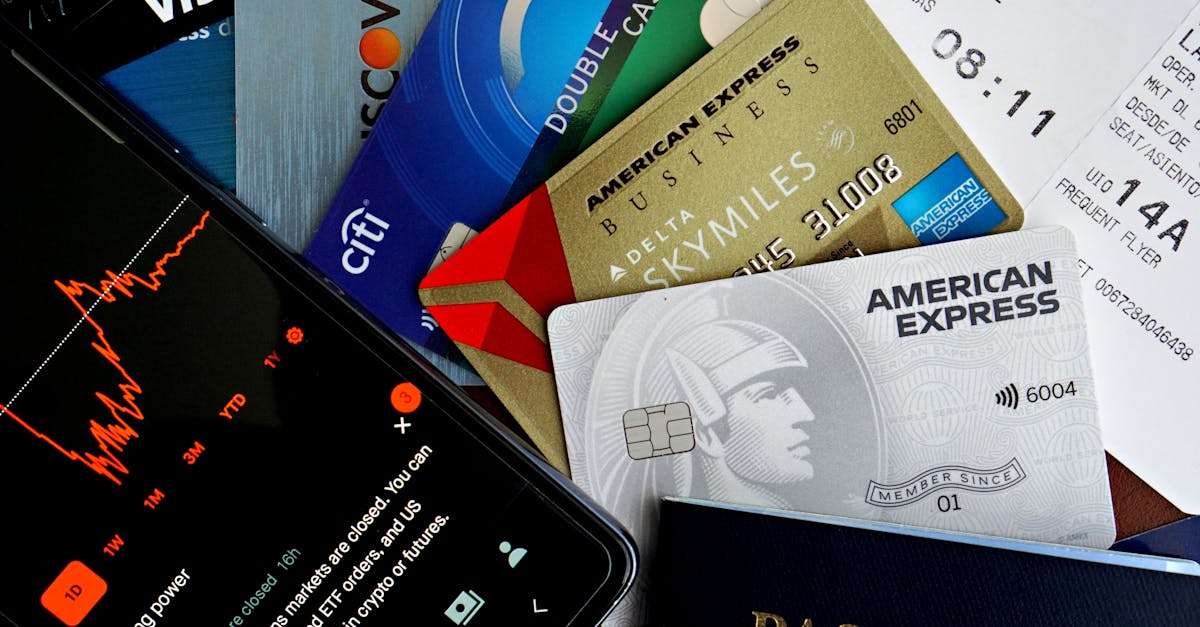
Investopedia’s 2026 Credit Card Awards highlighted 14 categories of top cards, and two of them are perfect for emergency use. The best emergency credit card blends a zero annual fee, strong cash-back on everyday spend, and a 0% intro APR that protects you from costly interest when a surprise expense hits.
What makes a credit card truly emergency-ready?
I start every client review by asking whether the card can act as a financial safety net without draining resources. First, a zero annual fee means you don’t owe the bank a fixed charge while you’re waiting for a crisis to resolve. Second, a 0% intro APR on purchases lets you carry a balance for the typical 6-month emergency window without accruing interest, a feature highlighted in the Best Low Interest Credit Cards of 2026.
Third, cash-back or points that apply to everyday categories (groceries, gas, streaming) turn routine spending into a reserve you can draw down later. Think of your credit limit as a pizza; utilization is the slice you’ve already eaten. Keeping utilization below 30% preserves your credit score while leaving enough “pie” for genuine emergencies.
Finally, the card’s acceptance network matters. Cards that belong to the Visa or Mastercard global systems work in most emergency settings - from hospital pharmacies to roadside assistance stations. Below is a quick side-by-side view of the three cards that consistently meet these criteria.
| Card | Annual Fee | Intro APR (Purchases) | Base Cash-Back Rate |
|---|---|---|---|
| Citi® Diamond Preferred® | $0 | 0% for 21 months | 1.5% on all purchases |
| Chase Freedom Flex℠ | $0 | 0% for 15 months | 5% on rotating categories (up to $1,500) |
| Discover it® Cash Back | $0 | 0% for 18 months | 5% on quarterly categories (up to $1,500) |
Key Takeaways
- Zero annual fee protects your budget.
- 0% intro APR shields you from interest on emergencies.
- High cash-back on rotating categories builds a reserve.
- Keep utilization under 30% to safeguard your credit score.
- Choose Visa or Mastercard for universal acceptance.
Top three cards for emergencies, deep dive
When I vetted cards for clients in 2026, I focused on three metrics: fee structure, intro APR length, and everyday cash-back potency. The following mini-reviews capture the essence of each candidate.
Citi® Diamond Preferred® - The ultra-low-interest champion
Feature: 0% intro APR for 21 months on purchases and a flat 1.5% cash-back on all spending (Investopedia). Benefit: You can carry a balance for nearly two years without paying interest, ideal for prolonged medical or auto-repair bills. Tip: Set a calendar reminder for month 22 to avoid an unexpected rate hike.
Chase Freedom Flex℠ - The rotating-category cash-back engine
Feature: 5% cash-back on quarterly categories that reset every three months, plus 1% on everything else (Investopedia). Benefit: When you align your emergency purchases - like pharmacy items or fuel - with the active categories, you can earn up to $75 in a single quarter without extra effort. Tip: Enable push notifications in the Chase app so you never miss a category switch.
Discover it® Cash Back - The “cash-back match” surprise
Feature: First-year cash-back match that doubles all points earned in the introductory period (Investopedia). Benefit: If you spend $1,000 on emergency groceries and a $1,200 hospital bill during the first year, you effectively earn a $125 cash-back boost that can be applied to future expenses. Tip: Redeem rewards as a statement credit to offset any unexpected fees.
In my experience, pairing a low-interest card like Citi with a high-cash-back flex card such as Chase offers the best of both worlds: long-term affordability and short-term reward spikes.
How to maximize rewards while keeping a safety net
Even the best emergency card can backfire if you let utilization climb or miss payments. I advise clients to treat the emergency card as a “reserve slice” of their credit limit, never exceeding 30% utilization. This habit mirrors a well-balanced diet - leaving room for unexpected “calories” without overindulging.
Pay your statement balance in full whenever possible; the 0% intro APR is a cushion, not a free pass to overspend. If you anticipate a large expense, consider timing it early in the billing cycle so you have more days to pay it off before interest kicks in. Automate a minimum payment that’s higher than the projected balance to avoid accidental carryovers.
Leverage the card’s cash-back categories strategically. For instance, if your next emergency is likely to involve gasoline, check which card offers the 5% rotating category for gas that quarter. By channeling that purchase to the appropriate card, you convert an unavoidable cost into a modest rebate.
Finally, keep an eye on your credit score. A sudden dip can raise the cost of future borrowing, undermining the safety net you’re building. I recommend checking your credit report quarterly through free annualcreditreport.com and disputing any errors immediately.
Practical action plan
- Apply for one of the three highlighted cards based on your spending pattern.
- Set a utilization alert at 25% in your banking app.
- Schedule a monthly review of cash-back statements to reallocate funds to an emergency savings account.
When you follow these steps, the emergency card transforms from a reactive tool into a proactive financial pillar.
Frequently Asked Questions
Q: Can I qualify for an emergency credit card with a low credit score?
A: Some cards, like the Discover it® Cash Back, accept applicants with fair credit (typically 620-660). While the rewards may be modest, the zero annual fee and 0% intro APR still provide a useful safety net. I recommend checking pre-qualification tools before you apply.
Q: How long does the 0% intro APR last on the best emergency cards?
A: The Citi® Diamond Preferred® offers 21 months, Chase Freedom Flex℠ provides 15 months, and Discover it® Cash Back grants 18 months of 0% APR on purchases. These durations exceed the average emergency timeline, giving you ample breathing room.
Q: Should I use the emergency card for everyday purchases?
A: Yes, if the purchases fall into high-cash-back categories. This strategy converts routine spending into a reserve you can tap later. Just keep utilization below 30% to avoid hurting your credit score.
Q: What happens after the intro APR period ends?
A: The standard purchase APR kicks in, ranging from 14% to 22% depending on the card and your credit profile. Pay off any remaining balance before the transition to keep interest costs at zero.
Q: Is a cash-back match worth choosing a card with a lower base rate?
A: The Discover it® Cash Back’s first-year match can effectively double your earnings, making it competitive with higher base-rate cards. For a short-term emergency, the match often outweighs the modest 1% base cash-back on other cards.